
Understanding the Mortgage Process
If you’re buying a home, understanding the mortgage process helps you avoid surprises and stay confident from application to closing. Here’s a clear breakdown of how it works.
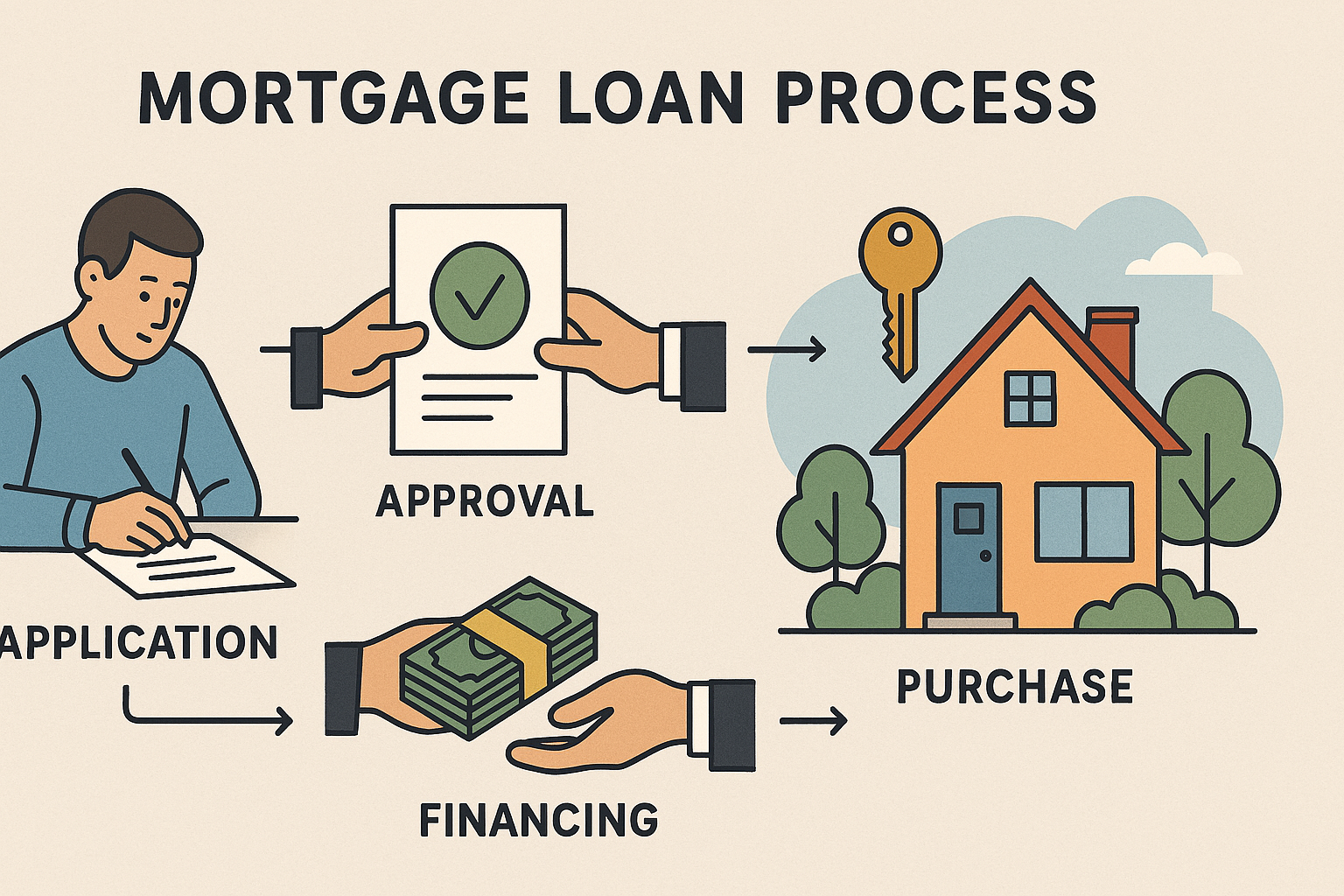
 Pre-Qualification vs. Pre-Approval
Pre-Qualification
- Quick estimate based on self-reported information
- Not verified by documentation
- Gives you a rough price range
Pre-Approval
- Lender verifies income, credit, assets, and debt
- Stronger when submitting offers
- Required by most sellers
Getting pre-approved is the smart first step.
 Choose the Right Loan Type
Common mortgage options include:
- Conventional Loan – As low as 3% down, stronger credit typically required
- Federal Housing Administration (FHA) Loan – 3.5% down, flexible credit guidelines
- Department of Veterans Affairs (VA) Loan – 0% down for eligible veterans
- United States Department of Agriculture (USDA) Loan – 0% down for qualifying rural areas
Your lender will help determine which program fits your situation.
 Mortgage Application
Once you’re under contract, you’ll complete a full mortgage application.
You’ll need:
- Pay stubs (last 30 days)
- W-2s or tax returns (2 years)
- Bank statements
- ID and Social Security number
- Employment verification
Avoid changing jobs or making large purchases during this time.
 Loan Processing
The lender’s team:
- Verifies your documents
- Orders the home appraisal
- Reviews your credit
- Confirms employment
This stage ensures everything meets lending guidelines.
 Appraisal
The lender orders an appraisal to confirm the home’s value.
If the appraisal:
- Matches or exceeds purchase price → move forward
- Comes in low → renegotiate price or adjust terms
The lender will not finance more than the appraised value.
 Underwriting
The underwriter reviews the entire loan file.
They may request:
- Additional documentation
- Clarifications on deposits
- Updated pay stubs
Once approved, you’ll receive “Clear to Close.”
 Closing
Before closing, you’ll receive a Closing Disclosure (CD) outlining:
- Final loan terms
- Interest rate
- Monthly payment
- Cash needed at closing
On closing day:
- Sign final documents
- Pay closing costs
- Receive the keys

What Makes Up Your Mortgage Payment?
Often referred to as PITI:
- Principal – Loan amount repayment
- Interest – Cost of borrowing
- Taxes – Property taxes
- Insurance – Homeowners insurance
Some loans also include mortgage insurance (PMI or MIP).
Important Mortgage Tips
- Don’t open new credit accounts
- Don’t finance furniture before closing
- Don’t deposit large cash amounts without documentation
- Keep your employment stable
Even small changes can delay approval.
Jai Towns l Realtor
Align Right Realty
mobile (813) 298-5842